Our Commitment to the Wagering Experience

Wagering is an essential part of how Thoroughbred racing operates. At Keeneland, we are committed to a transparent, responsible wagering environment that helps fund purses and delivers a high-quality racing product.

Wagering Tools & Data

Dashboard Icon

Projected Odds Dashboard
Live projected odds provided by DRF Formulator and Horse Racing Nation.

Coming for the 2026 Spring Meet!

Calendar icon

Complimentary Past Performances
Digital programs available online again powered by the Kentucky Thoroughbred Development Fund (KTDF).

Checklist icon

Handicapper’s Picks
See who the Keeneland experts select each race day through Expert Picks and Handicappers Consensus.

Stopwatch icon

Workout Videos & Clocker’s Comments
Available year-round on Keeneland.com/workouts powered by the KTDF.

two men viewing a racing program

Understanding Pari-Mutuel Wagering


Pari-mutuel wagering is the betting system used in horse racing throughout the U.S. Instead of betting against the house, bettors wager against each other. All bets of a specific type are combined into a shared pool, and winning payouts are determined by how that pool is distributed.

Because payouts are based on how much money is wagered on each outcome, the market – meaning the collective opinion of the bettors – determines the odds and potential returns in real time. As money enters the pool, odds adjust until betting closes.

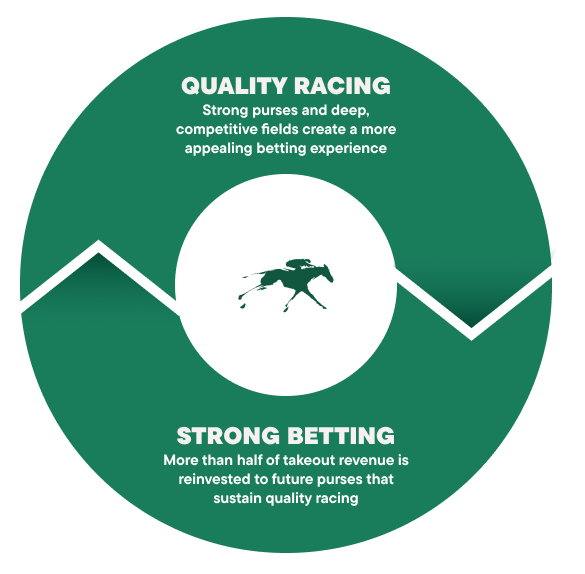
Wagering Fuels Racing.
Racing Fuels Wagering.


Wagering is an essential part of how Thoroughbred racing operates.

At Keeneland, we are committed to a transparent, responsible wagering environment that helps fund purses and deliver a high-quality racing product.

Infographic showing relationship between quality racing and strong betting
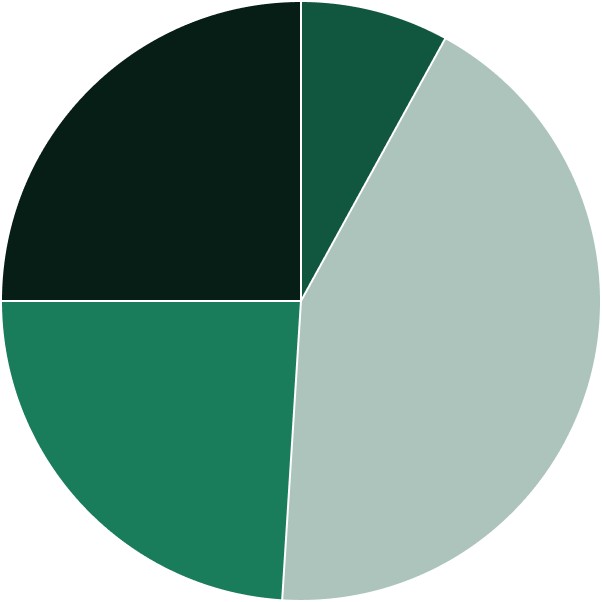
pie chart showing wagering sources at Keeneland

Understanding Keeneland Wagering

The following is an overview of the makeup of wagering at Keeneland over the last two years:

8%

On Track

25%

Brick & Mortar

44%

ADW

23%

CAW

Understanding Odds


wagering money icon

What are odds?

Odds reflect how much money has been wagered on specific outcomes and indicate the potential return on a winning bet. Lower odds generally mean more money has been placed on that horse.

changing odds icon

Why do odds change?

When more money is wagered on a horse or outcome, the odds decrease because the pool would be split among more winners if that horse wins. When less money is wagered, the odds increase.

refresh timer icon

How often do odds change?

At Keeneland, odds refresh every 5 seconds within the final two minutes before post time to provide the most current view of the betting market. Odds become final when betting closes at the start of the race. Betting is locked at the break of the gate by the stewards.

Wagering Menu & Takeout


WAger TypeMinimumTakeout
Win$116%
Place$116%
Show
10% takeout through On-Track Show Bet Bonus at Keeneland or Red Mile
$110% (On-Track)
16% (Off-Track)
Exacta
Offered on all races
$119.5%
Trifecta
Races with at least five betting interests
50¢22%
Superfecta
Races with at least six betting interests
50¢22%
Toyota Super High 5
Offered on the last race of the day with at least seven betting interests
$122%
WAger TypeMinimumTakeout
Daily Double
Rolling doubles throughout the card
$115%
Pick 3
Begins on Race 1 and continues throughout the day
$122%
Turf Pick 3
Covers the final three turf races of the day
$315%
Late Pick 3
Covers the final three races
$315%
Pick 4
First begins on Race 2; final Pick 4 covers final four races
50¢22%
Pick 5
Two offered daily: first five races and final five races
50¢15%
Pick 6
Offered on the last six races of the day
$122%

Terminology


  • Pari-Mutuel Wagering - A pool-based betting system where bettors wager against each other.
  • Takeout - The set percentage removed from each wagering pool to conduct and administer the wager. This supports purses and live racing operations.
  • Odds - The return on a winning bet, determined by how much money is wagered on each outcome within a pool.
  • ADW - Advanced Deposit Wagering, a licensed online wagering platform.
  • CAW - Stands for Computer Assisted Wagering. CAW teams are professional bettors who use advanced technology and data analysis to place a large volume of bets.
  • Host Fees - Fees paid to the track providing the racing signal when wagers are accepted by other tracks or wagering platforms.
  • Pool - The total amount of money wagered on a specific bet type.
  • Will-Pays - Projected payouts shown before the race for multi-race wagers.
  • Projected Odds - Sometimes called predictive odds or expected final odds, projected odds are an estimate of what a horse’s final odds are likely to be at post time, based on the current wagering patterns and pool data.
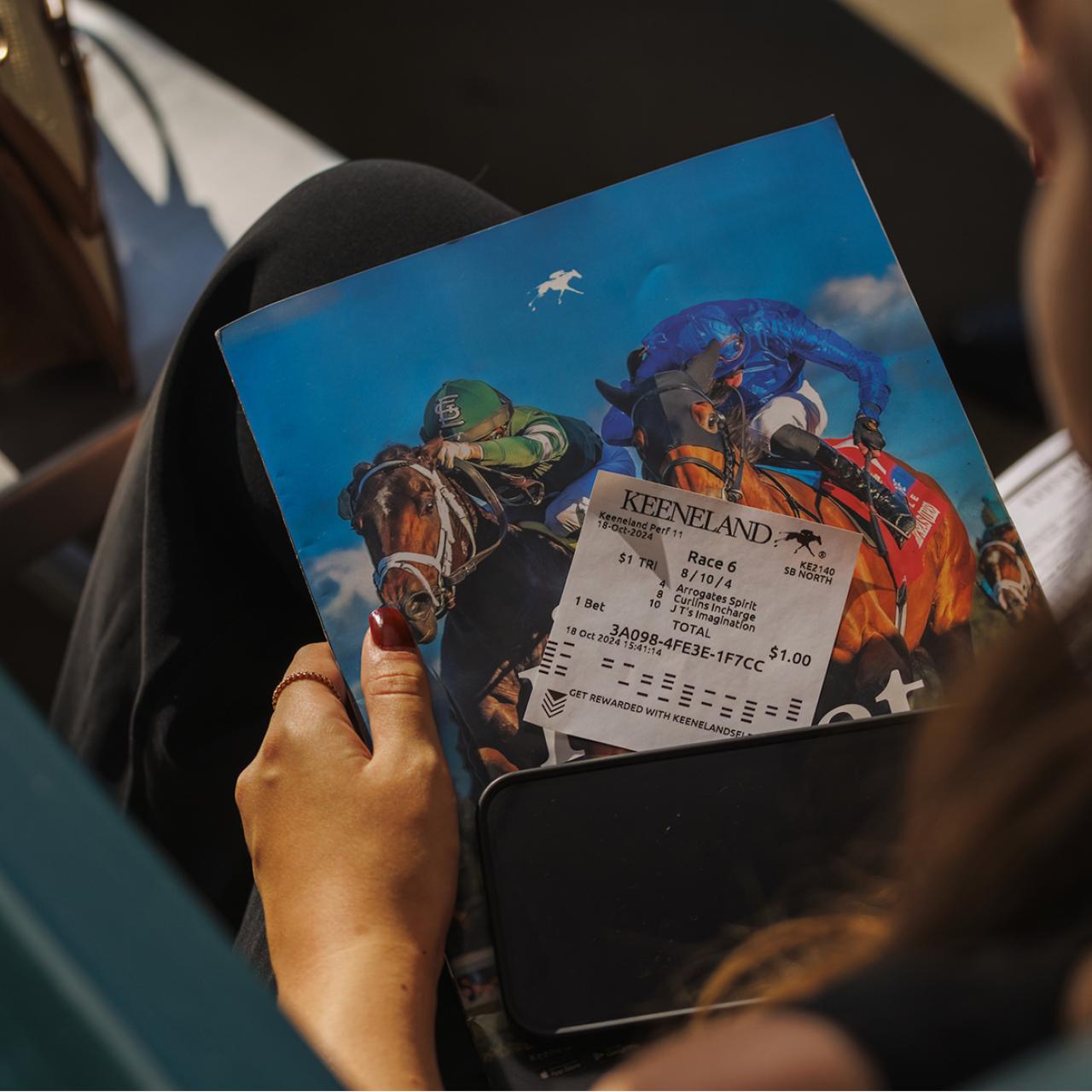
wagering ticket in front of a racing program
close up view of man holding a racing program

Frequently Asked Questions


Odds become final when betting closes at the start of the race. Betting is locked at the break of the gate by the stewards.

This is a result of timing, rather than access. Large wagers – from any source – can impact the betting pool. Because many wagers are submitted close to post time, odds can shift in the final moments before the race begins. Depending on where the odds refresh cycle hits, and the refresh cycle of the outlet displaying the race, the odds may appear to change once the race begins.

CAW teams wager into the same pari-mutuel pools as all other bettors. Their bets are combined into the pool alongside everyone else’s and are subject to the same pool-based payout structure. Like all participants in pari-mutuel wagering, their wagers contribute to the odds and ultimately help determine payouts.

Keeneland does not restrict participation by wager type or participant. Pricing and pool structures are designed to support overall market liquidity and are applied in a manner intended to maintain a balanced and competitive wagering ecosystem.

No. CAWs are paid based on the same pari-mutuel payouts as everyone else. Racetracks send out data feeds which are then populated on wagering apps (ADWs) and simulcast feeds. CAWs receive the same information as the betting public but can process it quickly because of the sophisticated software in which they have independently invested.

No.

Yes. CAWs must follow the same wagering rules and regulations as all bettors and are subject to oversight by racing commissions and track operators.

It ensures the track does not act as a bookmaker, allows payouts to reflect the collective opinion of bettors, and helps fund purses and the sport’s ecosystem. It has been the foundation of horse racing wagering for over a century.

Wagering Updates


Keeneland is committed to maintaining a transparent, healthy and competitive wagering environment to our betting community. All wagering activity is subject to oversight by racing officials and regulatory bodies. We continually evaluate policies to support the integrity and sustainability of the wagering ecosystem.